How it works
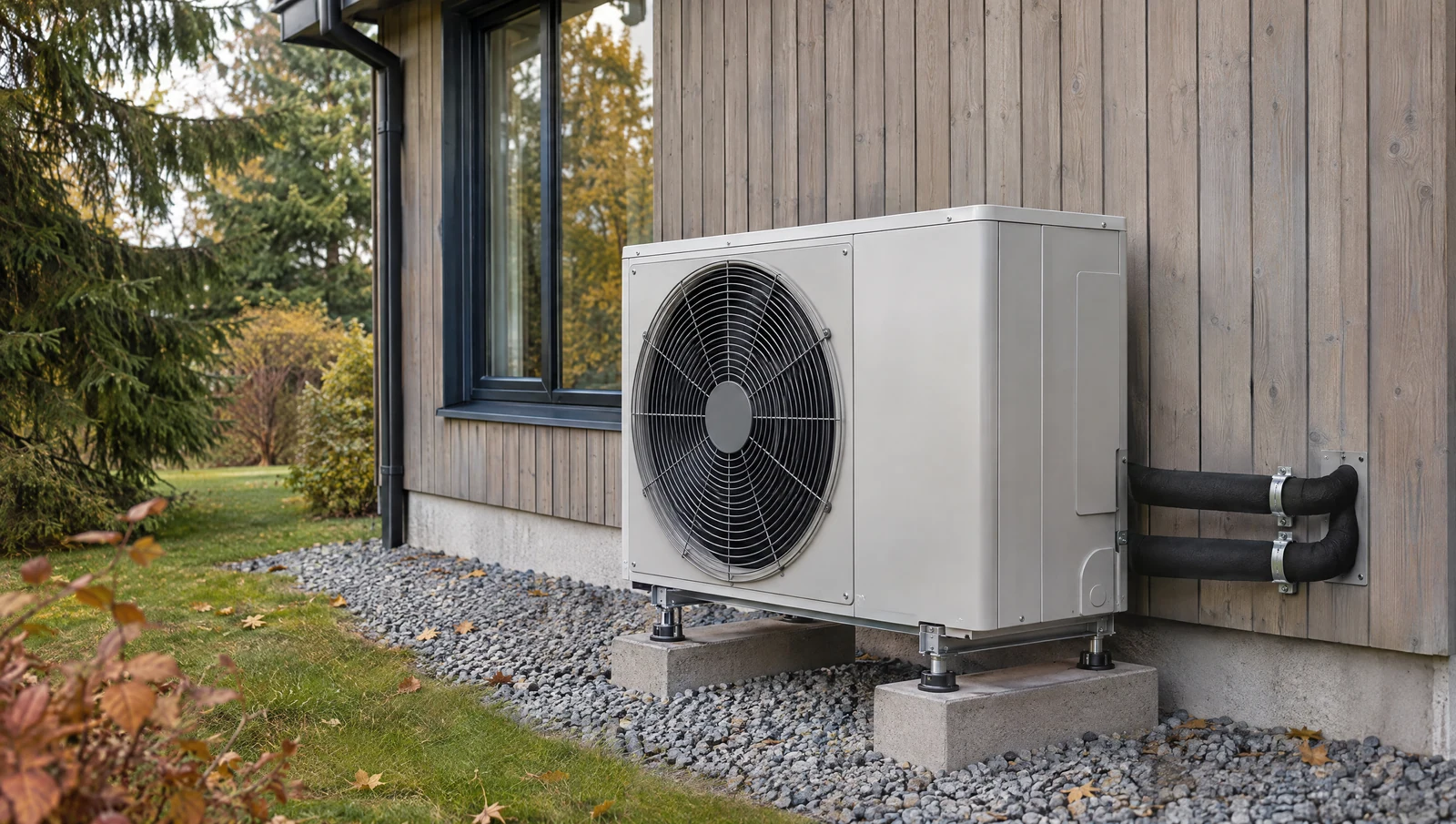
Water-based heating means that heated water circulates in pipes, either in the floor or to radiators. The heat comes from a heat source, for example a heat pump, a water heater or another system. The pipes in the floor give an even, quiet heat.
What to clarify before you choose
Underfloor heating works best when it is planned together with the floor above it. Different floor coverings let the heat through in different ways, and the build-up height must have room for the pipes. It is easiest to do in new builds and in full renovations.
- Which heat source will supply the heat?
- Which floor covering will lie over the pipes?
- Should every room have underfloor heating, or only the bathroom?
- How will the temperature be regulated in each room?
Common problems
Air in the system causes gurgling sounds and rooms that do not get warm. A room that is colder than the others can be caused by incorrect balancing or by a loop that does not get enough water. Faults like these are seldom visible, so it pays to have a professional look at it rather than trying things out.
Maintenance
A closed system needs little attention, but it is wise to look at the pressure and the pump regularly, and to have the system checked if you notice that the heat is changing. If you do not know where the pipes run, ask for a drawing or a photo of the pipework when it is installed.
Contact us early in the planning
Tell us about your plans before the floor is cast or laid. Then we can assess the solution together with the rest of the water and heating system.